

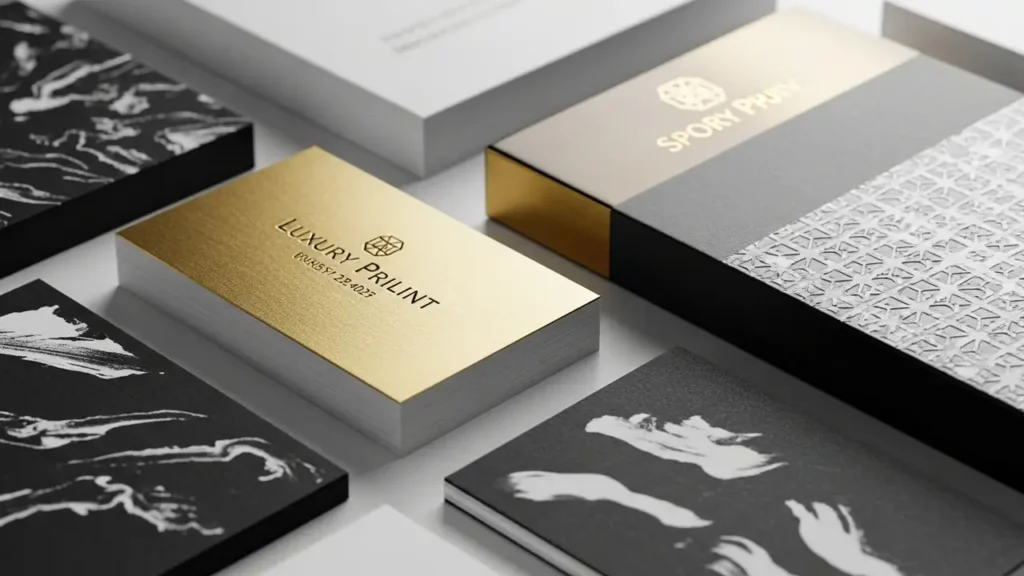
Mastering Specialty Inks for Premium Print Finishes
Elevate your printed materials from ordinary to extraordinary with stunning specialty inks and finishes.
In the competitive world of branding and design, standing out is paramount. This is where specialty inks and premium print finishes play a crucial role, transforming ordinary paper into tactile, visually rich experiences. Whether you’re designing luxury packaging, high-end business cards, or unique promotional materials, the right ink and finishing techniques can dramatically enhance perceived value and brand impact. Understanding how to effectively use options like metallic inks, white ink, and spot UV coating is key to achieving that coveted premium look.
These advanced printing techniques go beyond standard CMYK colours, offering a spectrum of effects that capture attention and convey a sense of quality. Specialty inks allow for vibrant metallics that shimmer, opaque whites that create contrast on dark backgrounds, and raised textures that invite touch. When combined with precision application of UV coating or spot varnish, the result is a print piece that not only looks exceptional but also feels substantial and memorable. This guide will explore how to leverage these powerful tools.
The Power of Specialty Inks and Finishes
Traditional printing relies on a predictable palette, but the demand for differentiation has pushed the boundaries of what’s possible. Specialty inks are formulated with unique pigments, effects, or properties that standard inks cannot replicate. Think of the gleam of gold or silver metallic inks, the sophisticated depth achieved with a spot UV coating, or the tactile sensation of a raised varnish. These elements are not mere embellishments; they are strategic design choices that communicate quality, exclusivity, and attention to detail.
Premium finishes work by selectively applying coatings or inks to specific areas of the printed design. This creates contrast between matte and gloss, adds shimmer to highlight elements, or provides a physical texture that engages the senses. Brands across various sectors, from cosmetics and jewelry to high-end electronics and hospitality, use these techniques to create packaging and collateral that resonates with a discerning audience. Mastering these effects is essential for any designer or printer aiming for the highest calibre of output.
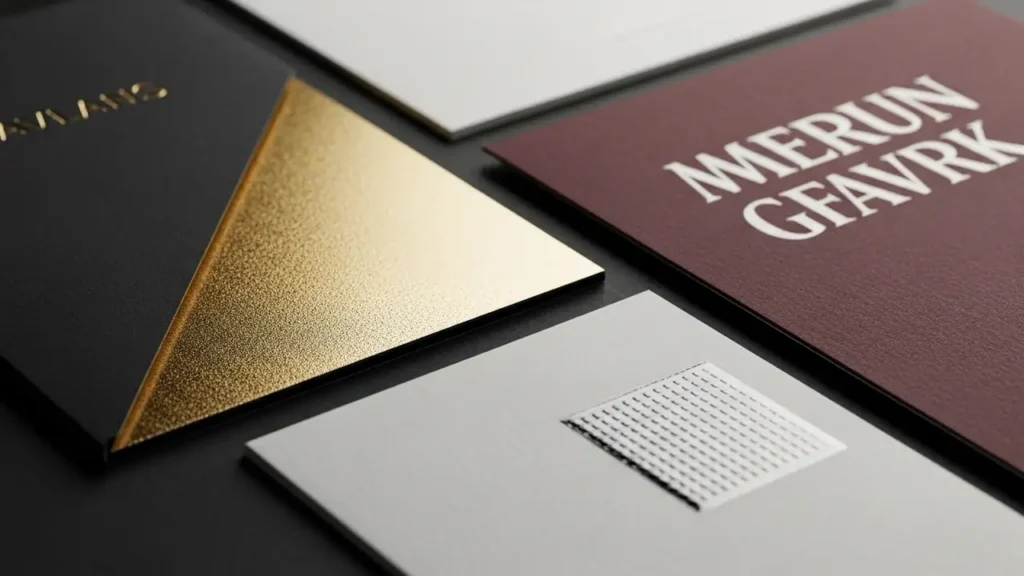
Exploring Metallic Inks for Visual Impact
Metallic inks, such as gold, silver, copper, or iridescent colours, are among the most popular specialty inks. They contain fine metallic flakes that reflect light, giving printed areas a brilliant shimmer and shine that cannot be achieved with standard inks. This makes them ideal for highlighting logos, key graphics, or text on invitations, brochures, and packaging to convey opulence and prestige.
When using metallic inks, consider the paper stock carefully, as its colour and texture will affect the final appearance. A smooth, coated stock generally yields the best results for metallic sheen. It’s also important to note that metallic inks can sometimes have a slightly different opacity than standard inks, so test prints are highly recommended to ensure colour accuracy and desired effect. They truly elevate a design, making it pop off the page with an undeniable richness.
The Versatility of White Ink Printing
Printing with white ink opens up a world of creative possibilities, especially on coloured or dark substrates. On standard white paper, white ink can be used for subtle background textures or to create a luminous effect for elements that need to stand out. However, its true power is unleashed when printing on coloured stocks, where it acts as an opaque base layer.
This base layer of white ink allows CMYK or other spot colours to appear vibrant and true to their intended shade, rather than being muted by the paper colour. It’s perfect for achieving stark contrasts on black cardstock for business cards or creating elegant, legible text on deep-hued packaging. White ink printing transforms dark canvases into sophisticated design platforms, proving its value as a key player among specialty inks.
Understanding UV Coating and Spot Varnish
UV coating and spot varnish are finishing techniques that apply a clear protective layer to specific areas of a printed piece, enhancing both its appearance and durability. UV coating is cured instantly with ultraviolet light, resulting in a hard, glossy, and protective finish. Spot varnish, on the other hand, can be applied in different finishes, including gloss, matte, or even textured effects, offering greater design versatility.
The true magic lies in “spot” application, where the coating is applied selectively. A glossy spot varnish can make a logo or photograph leap off a matte background, creating a striking tactile and visual contrast. This technique is instrumental in adding a premium feel to brochures, book covers, and luxury packaging, making certain elements of the design more prominent and appealing. It’s a fantastic way to draw the viewer’s eye to key brand information.
Achieving Tactile Printing and Textured Finishes
Beyond visual appeal, specialty inks and finishes can engage the sense of touch, creating a memorable and luxurious experience. Techniques like raised UV or spot varnish allow printers to create dimensional effects, making certain parts of the design physically rise above the surface. This adds a sophisticated, tactile dimension that consumers associate with high-quality, premium products.
Embossing and debossing are related techniques that create raised or indented areas, often used in conjunction with inks or foils. However, raised UV offers a more accessible and often more precise way to achieve a similar tactile effect, especially when paired with metallic or spot colours. This focus on texture is increasingly important in a digital-first world, offering a tangible connection that digital media cannot replicate.
Best Practices for Using Premium Print Finishes
When incorporating specialty inks and premium finishes into your designs, careful planning is essential. Always communicate your intentions clearly with your print provider, discussing the specific effects you aim to achieve and the substrates you plan to use. Different inks and coatings interact uniquely with various paper types and weights, so mock-ups or test prints are highly recommended to ensure the final outcome matches your vision.
Consider the overall design aesthetic and the message you wish to convey. Overuse of special effects can sometimes detract from the design, making it appear cluttered rather than luxurious. Strategic use, highlighting key brand elements, logos, or important text, will yield the most impactful results. Think about how the light will hit metallic inks or how a raised spot varnish will feel under the fingertip.
Safety and Handling of Specialty Print Materials
When working with printers that handle specialty inks and finishes, safety is paramount. Always refer to the manufacturer’s guidelines for handling and maintenance. Ensure proper ventilation in areas where UV coatings are applied, as the curing process can produce fumes. When performing any maintenance, such as cleaning print heads or replacing consumables, always disconnect the power supply to the printer to avoid electric shock.
Avoid touching sensitive components like print heads, rollers, or the drum unit (in laser printers) directly with your fingers, as oils and dirt can affect print quality. If your printer is malfunctioning and requires internal repairs, it is often best to consult the user manual or contact an authorized service provider, especially if the device is still under warranty. Attempting complex repairs without proper knowledge may void your warranty and cause further damage.
Frequently Asked Questions about Specialty Printing
The application of specialty inks and premium finishes offers a powerful avenue for brands to differentiate themselves and create print materials that leave a lasting impression. From the eye-catching gleam of metallic inks to the sophisticated touch of raised spot varnish, these techniques add depth, texture, and luxury. By understanding their capabilities and working closely with experienced print professionals, you can transform your designs into exceptional pieces that truly stand out in any market.