

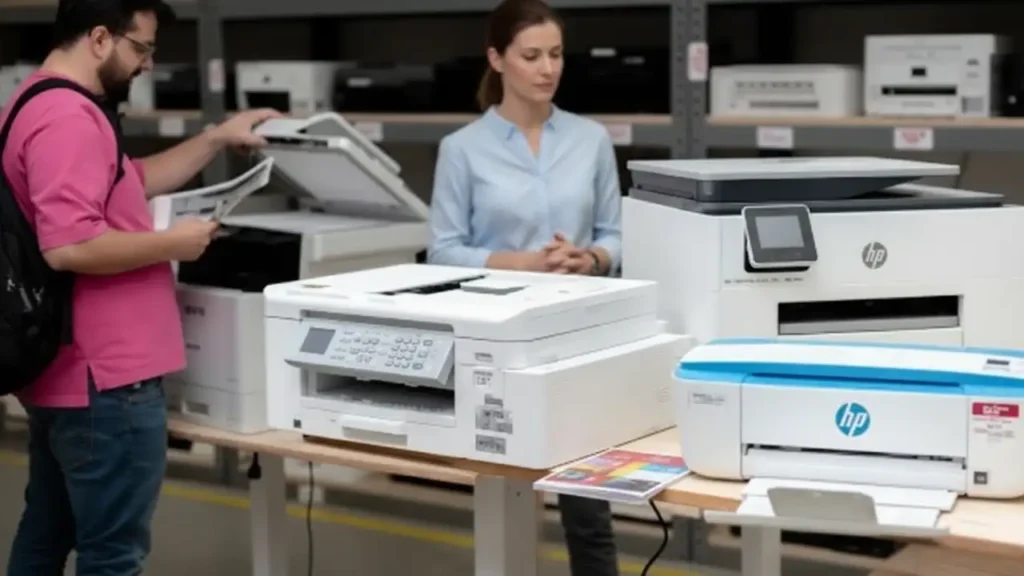
Navigating the World of Budget Printers
The article “Navigating the World of Budget Printers” guides consumers in the United States on selecting economical printing solutions by analyzing both initial purchase prices and long-term running costs, particularly ink and toner expenses.
Initial Printer Budget Considerations
- Inkjet Printers: Dominate the entry-level market with low upfront costs, often under $100 (sometimes $49-$60 during sales). Basic all-in-one models from brands like Canon and HP are common. They offer print, scan, and copy functionalities, often with wireless capabilities, making them attractive for general home use.
- Laser Printers: Typically have a higher upfront investment. Basic monochrome laser printers start around $100, with color laser options being significantly more expensive. This higher entry point often indicates a different long-term economic profile.
- Ink Tank Printers: Require a higher initial investment, often starting at $200 or more, but are designed for substantial long-term savings in running costs.
Printer Type Analysis and Long-Term Costs
Inkjet Printers
- Short-Term Savings: Minimal upfront expenditure, making them appealing for those with a modest budget and infrequent printing needs. Many are considered the best printer under $100 or best budget all-in-one printer solutions.
- Long-Term Expense: The recurring cost of ink cartridges can be high. Standard inkjet cartridges are expensive per page, a vital consideration for overall budget planning.
Laser Printers
- Budget Choice for Volume: A smart choice for users with higher printing demands, especially for text-heavy documents.
- Operational Efficiency: Despite a higher initial cost, operational efficiency leads to a lower total cost of ownership over time.
- Toner Cartridges: Toner does not dry out, making them ideal for infrequent but high-volume printing.
- Cost Per Page: Substantially lower for black-and-white prints (2-5 cents per page) compared to standard inkjets (7-15 cents). This makes them economical for businesses or home offices producing many text documents.
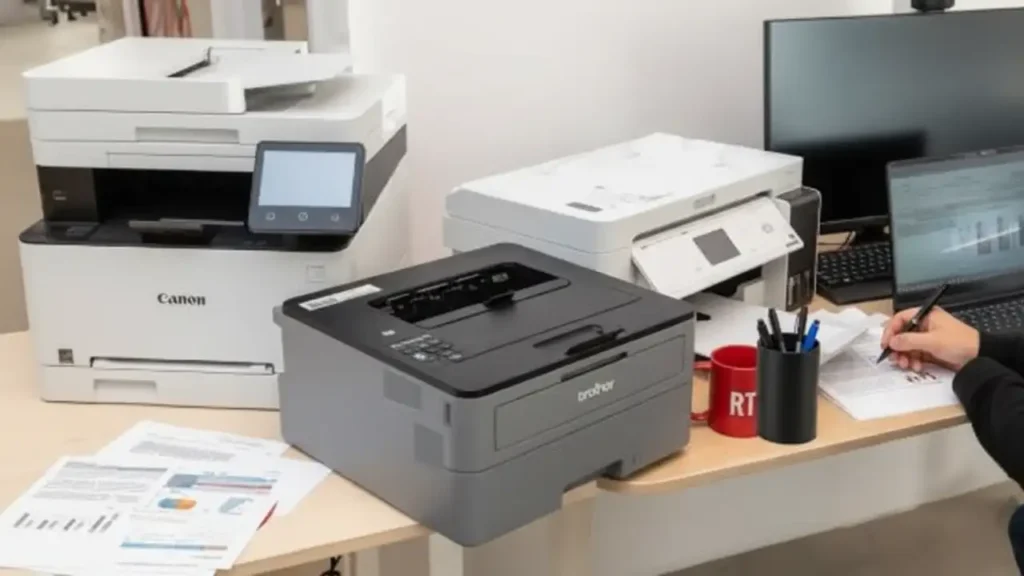
Ink Tank Systems
- Ultimate Savings: Designed to address high running costs of traditional inkjets.
- Initial Investment: Higher, often $200-$400.
- Design: Feature large, refillable ink reservoirs instead of disposable cartridges.
- Cost Per Page: Drastically reduced: 0.2-1 cent for black, 5-10 cents for color. This makes them incredibly economical over their lifespan, offering the lowest ink cost for home printers for frequent users.
Frequently Asked Questions
What is the cheapest type of printer to buy initially?
Inkjet printers typically have the lowest initial purchase price, with basic models often available for under $100, sometimes as low as $49-$60 during sales.
Are laser printers more expensive to run than inkjets?
While laser printers generally have a higher initial purchase price, their black-and-white print cost per page is significantly lower (2-5 cents) compared to standard inkjets (7-15 cents), making them cheaper to run for high-volume text printing over time.
What type of printer offers the lowest long-term ink costs?
Ink tank printers offer the lowest long-term ink costs. Despite a higher initial price (often $200+), their large, refillable ink reservoirs drastically reduce the cost per page (0.2-1 cent for black, 5-10 cents for color).
How does printing frequency affect my printer choice and budget?
Infrequent printing might suit a cheap inkjet initially, but ink can dry out. For consistent, high-volume printing, a monochrome laser or ink tank system is more economical due to lower per-page costs and no ink drying issues, optimizing your long-term budget.
Can I find a good all-in-one printer for under $100?
Yes, many entry-level all-in-one inkjet models from brands like Canon and HP can be found for under $100, offering print, scan, and copy functions, often with wireless capabilities, making them excellent budget-friendly choices for home use.
Calculating True Printer Budget: Beyond Sticker Price
The true cost of ownership is heavily influenced by running costs (ink/toner).
- Standard Inkjet: Low initial cost, high long-term expense.
- Black-only cost per page: 7-15 cents.
- Color cost per page: 15-25 cents.
- Monochrome Laser: Moderate initial cost, very low black-only long-term cost.
- Black-only cost per page: 2-5 cents.
- Ink Tank Inkjet: High initial cost, exceptionally low long-term cost for both black and color.
- Black cost per page: 0.2-1 cent.
- Color cost per page: 5-10 cents.
- Color Laser: Higher initial cost, competitive long-term cost for business color.
Ink tank systems consistently offer the lowest overall running cost efficiency.
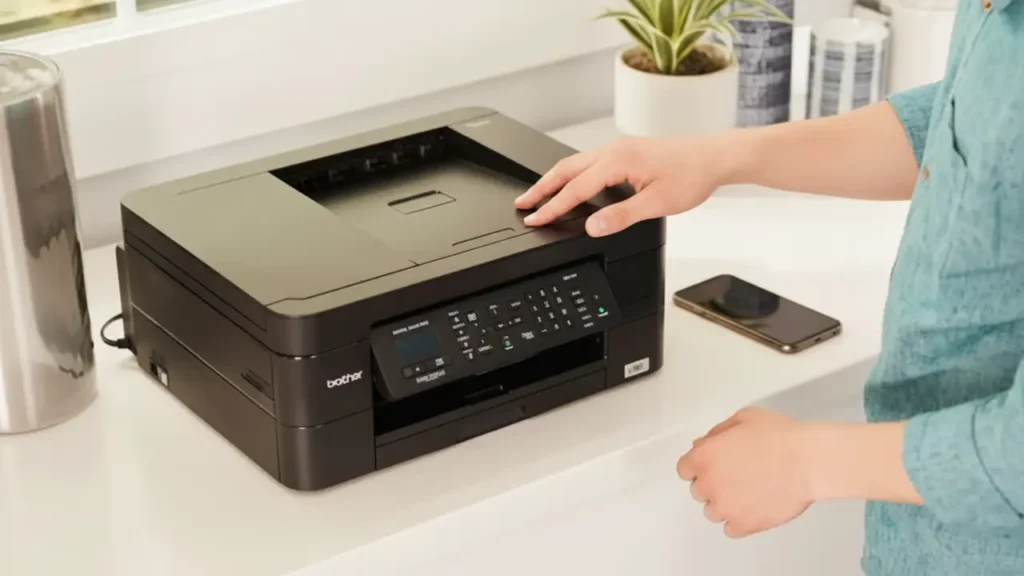
Matching Needs to Printer Budget
The “best” printer aligns with specific printing habits and financial plans.
Usage Frequency
- Infrequent: Cheap inkjet might suffice, but ink can dry out.
- Consistent, Moderate-to-High Volume: Monochrome laser or ink tank system is more economical long-term.
Volume and Type
- High Volume Black-and-White Documents: Monochrome laser is significantly more economical over time due to high-yield, non-drying toner cartridges and lower cost per page.
- Mix of Text and Occasional Photos/Graphics: Inkjet, especially ink tank models, offer better quality and favorable expense for these tasks.
Color Needs
- High-Quality Photo Printing: Inkjets generally provide superior results and color depth.
- Everyday Color Business Documents/Presentations: Color laser offers speed and consistency, though at a higher initial cost and color cost per page than ink tank systems.
- All-in-One Printers: Modern models offer a balance of features, suitable for home use if running costs are analyzed.
Making the Smart Budget Printer Decision
Choosing a printer requires understanding printing needs versus the total cost of ownership.
- Inkjet Printers: Cheapest to purchase initially, but often have higher running costs.
- Monochrome Laser Printers: Most economical choice over time for high-volume, text-heavy printing.
- Ink Tank Printers: Offer the lowest long-term cost per page for those willing to make a larger initial investment and print frequently.
An informed decision considers usage patterns, specific requirements, and true long-term expenses to ensure efficient and affordable printing.